Look, I get it. You’ve got serums, moisturizers, toners, and about fifteen other products sitting on your bathroom counter. But if I had to tell you to keep just one thing from that collection, it would be sunscreen. No contest.
Here’s the thing that most people don’t realize: while you’re busy investing in anti-aging creams and expensive treatments, the sun is quietly undoing all that hard work. It’s like trying to fill a bucket with a hole in the bottom. You can pour in all the fancy skincare you want, but without sunscreen, you’re fighting a losing battle.
Stay Connected. Join our WhatsApp channel for daily updates and a skincare guide
Table of Contents
ToggleThe Real Talk About Sun Damage
Let me break this down for you. The sun doesn’t just give you a tan or the occasional sunburn. It’s actually causing damage at a cellular level every single day, even when it’s cloudy, even when you’re indoors near windows. UV radiation breaks down collagen (that’s what keeps your skin plump and youthful), causes dark spots, creates fine lines, and yes, significantly increases your risk of skin cancer.
Dermatologists will tell you that up to 80% of visible aging is caused by sun exposure. Not your age. Not genetics. The sun. That’s wild when you think about it. All those wrinkles, age spots, and sagging skin could have been largely prevented with consistent sunscreen use.
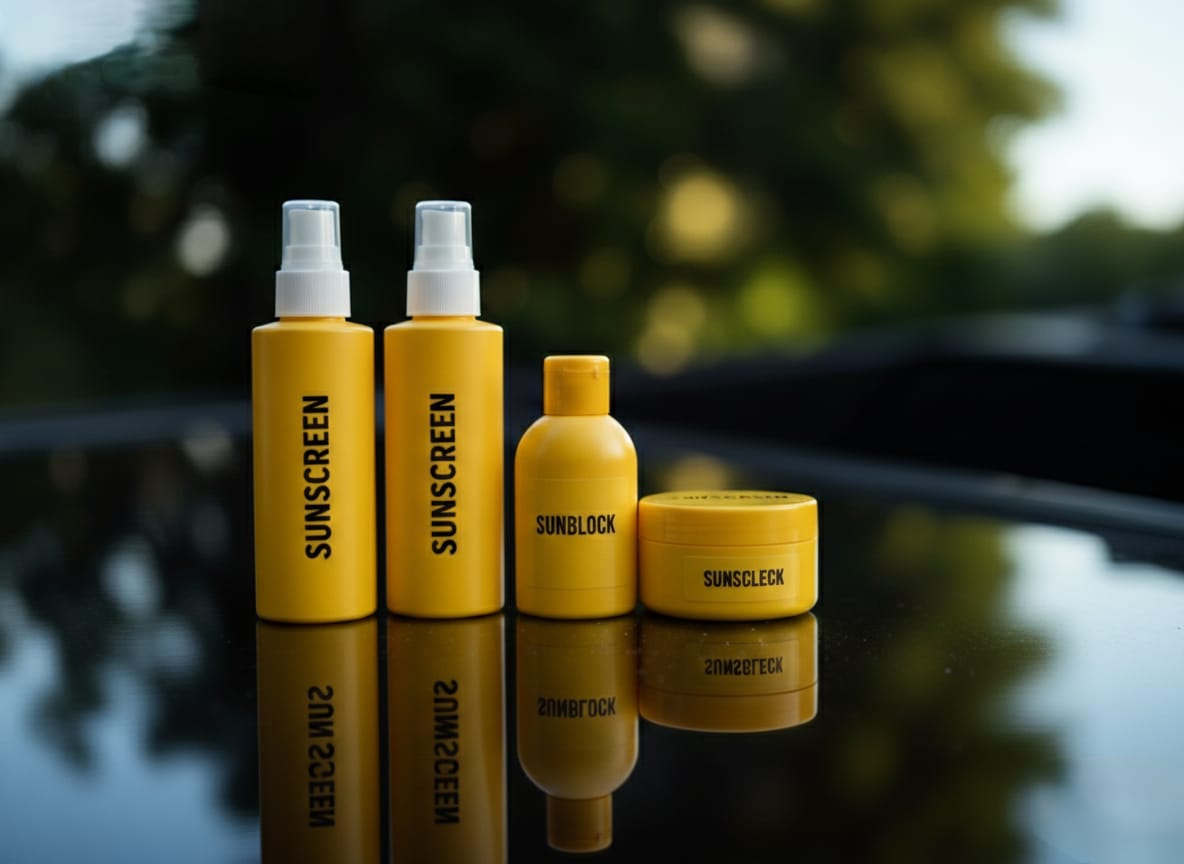
Sunscreen vs. Sunblock: Are They the Same Thing?
Here’s where people get confused. You’ll hear these terms thrown around like they’re interchangeable, but technically, they’re a bit different.
Sunscreen typically refers to chemical formulas that absorb UV rays before they can damage your skin. Think of it like a sponge that soaks up the sun’s radiation. These formulas usually contain ingredients like avobenzone, octinoxate, or oxybenzone.
Sunblock, on the other hand, traditionally meant physical or mineral formulas that sit on top of your skin and literally block UV rays by reflecting them away. These contain zinc oxide or titanium dioxide. You know that white cast you sometimes see? That’s usually from a mineral sunblock.
But here’s the reality: these days, most people use these terms interchangeably, and many products actually combine both chemical and physical ingredients. So when someone says “sunscreen” or “sunblock,” they’re generally talking about the same category of sun protection. Don’t stress too much about the terminology. What matters is that you’re using something with broad-spectrum protection.
What SPF Should You Actually Use?
Okay, let’s talk numbers. SPF stands for Sun Protection Factor, and it tells you how much longer you can stay in the sun without burning compared to wearing no protection at all.
The sweet spot? SPF 30 to SPF 50.
Here’s why: SPF 30 blocks about 97% of UVB rays, SPF 50 blocks about 98%, and SPF 100 blocks about 99%. Notice how the difference gets smaller as the numbers get bigger? That’s because you hit diminishing returns pretty quickly.
SPF 15 is the bare minimum and honestly, it’s just not enough for daily wear. You want at least SPF 30, which gives you solid protection without breaking the bank.
Now, anything above SPF 50? It’s not harmful, but you’re not getting that much more protection. The bigger issue is that people who use super high SPF products often think they’re invincible and forget to reapply. Don’t fall into that trap.
Go for SPF 30-50. It’s the Goldilocks zone, not too little, not overkill.
How to Tell If a Sunscreen Is Actually Good
Not all sunscreens are created equal. Here’s what you need to look for when you’re standing in that drugstore aisle, completely overwhelmed:
1. Broad-Spectrum Protection
This is non-negotiable. Your sunscreen needs to protect against both UVA and UVB rays. UVB causes burns, but UVA causes aging and goes deeper into your skin. Both can cause cancer. If the label doesn’t say “broad spectrum,” put it back on the shelf.
2. Water-Resistant (If You Need It)
If you’re swimming, sweating, or spending time outdoors, look for water-resistant formulas. Just know that “water-resistant” doesn’t mean waterproof. You’ll still need to reapply after 40-80 minutes in water.
3. Check the Ingredient List
For mineral sunscreens, look for zinc oxide (at least 10%) or titanium dioxide. For chemical sunscreens, effective ingredients include avobenzone, mexoryl, or tinosorb. A good sunscreen often combines multiple ingredients for better coverage.
4. No Sketchy Stuff
Avoid sunscreens with added fragrance if you have sensitive skin. Also, you might want to skip oxybenzone if you’re concerned about hormone disruption (the research is still ongoing, but some people prefer to play it safe).
5. The Texture Test
A good sunscreen is one you’ll actually wear. If it’s greasy, leaves a white cast, pills under makeup, or smells weird, you’re not going to use it consistently. Try samples when possible. For oily skin, look for gel or fluid formulas. For dry skin, cream formulas work great.
6. Look for Reputable Brands
Stick with brands that have been tested and approved by dermatological associations. Some reliable names include La Roche-Posay, EltaMD, Neutrogena, CeraVe, Supergoop, and Blue Lizard. There are many others, but these consistently get high marks from dermatologists.
How Often Should You Reapply Sunscreen?
This is where most people mess up. You can have the best sunscreen in the world, but if you’re not reapplying it properly, you’re basically wearing expensive moisturizer.
The golden rule: Reapply every two hours when you’re outdoors.
The best sunscreen is the one you’ll actually use. So find one that feels good, doesn’t break you out, fits your budget, and works with your lifestyle. Then make it as automatic as brushing your teeth.
if this post was helpful for you, then share your thoughts in the comments. Thank you.
JOIN OUR WHATSAPP FAMILY – STAY CONNECTED