If you’re starting to notice fine lines, dullness, or skin that just doesn’t bounce back the way it used to — this one’s for you.
There’s a moment many of us hit — usually somewhere in our late 30s or 40s — when we look in the mirror and think, okay, I need to start actually taking care of my skin. If you’re there right now, let me introduce you to one of the most underrated oils in natural skincare: jojoba oil for your face.
It’s lightweight, non-greasy, and packed with nutrients your aging skin is literally craving. And when you pair it with the other ingredients listed below, you’ve got yourself a powerful anti-aging serum that costs a fraction of what fancy department store brands charge.
What Is Jojoba Oil — And Why Is Everyone Talking About It?
Jojoba oil isn’t actually an oil. Technically, it’s a liquid wax extracted from the seeds of the jojoba plant, native to the southwestern United States and Mexico. That’s what makes it so unique — it closely mimics your skin’s natural sebum, which means your skin absorbs it easily without feeling clogged or greasy.
It’s been used for centuries for skin and hair care, and modern skincare has finally caught up. Whether you have dry skin, combination skin, or maturing skin that needs extra love, jojoba fits right in.
The Anti-Aging DIY Serum You Need to Try Right Now
This is where things get exciting. This recipe was made specifically for anyone who’s starting to notice the signs of aging and wants a natural, affordable alternative to expensive serums.
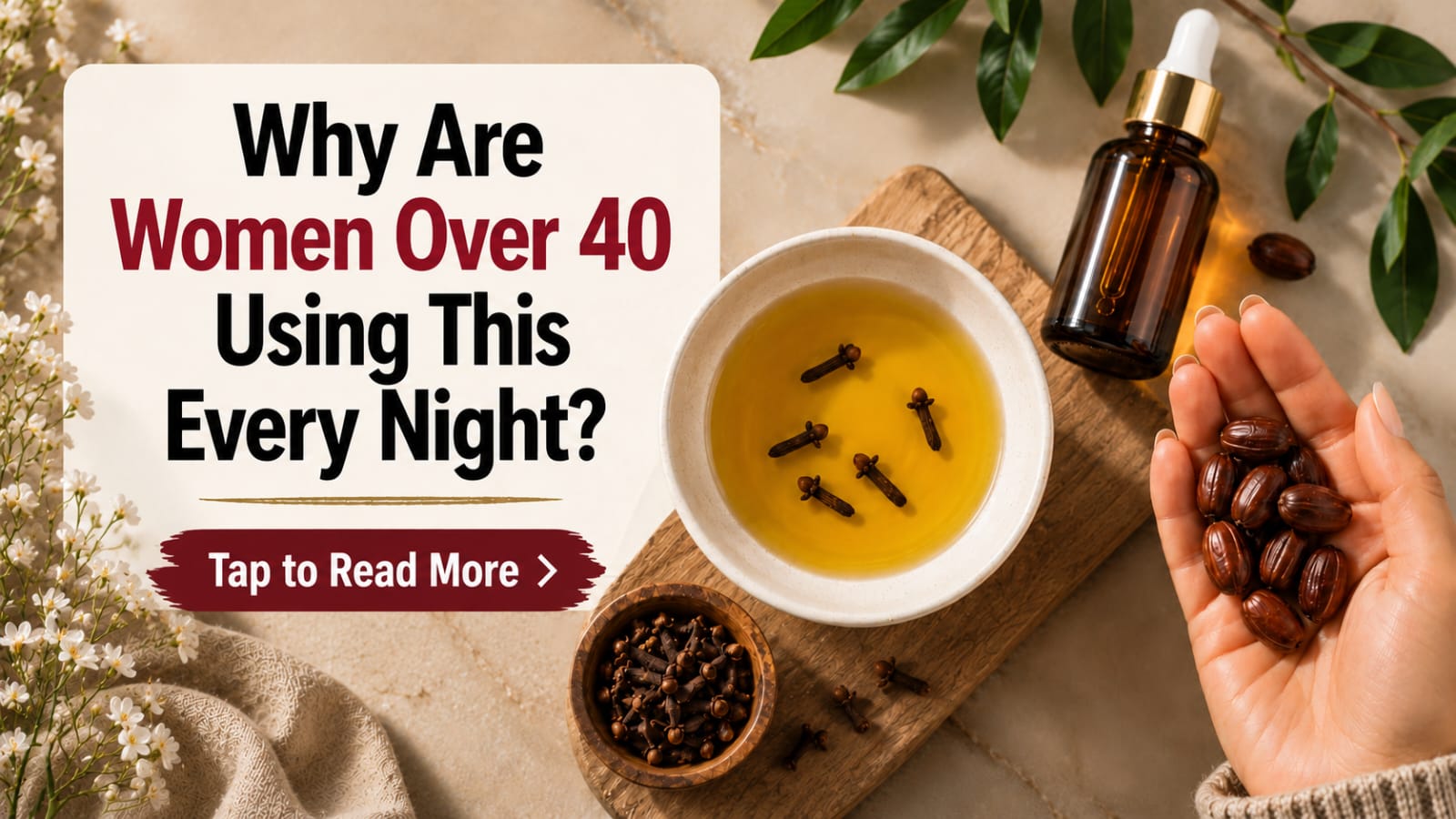
Clove is the secret weapon here — it’s one of the most antioxidant-rich spices on the planet and has been used in traditional remedies for skin brightening and firming. Combined with jojoba, rosehip, and vitamin E, this serum hits multiple aging concerns at once.
Ingredients
– 3 tablespoons Jojoba oil (cold-pressed, unrefined is best)
– 1 teaspoon Rosehip oil (packed with vitamin C and retinol-like compounds)
Not sure where to find these? I’ve linked everything above, including organic jojoba oil, and the other ingredients from trusted retailers, so you can easily get the same products for this recipe.
How to Make It
1. Warm the jojoba oil gently — place your bottle in a bowl of warm water for 2–3 minutes. Don’t heat it on the stove; you’ll destroy the nutrients.
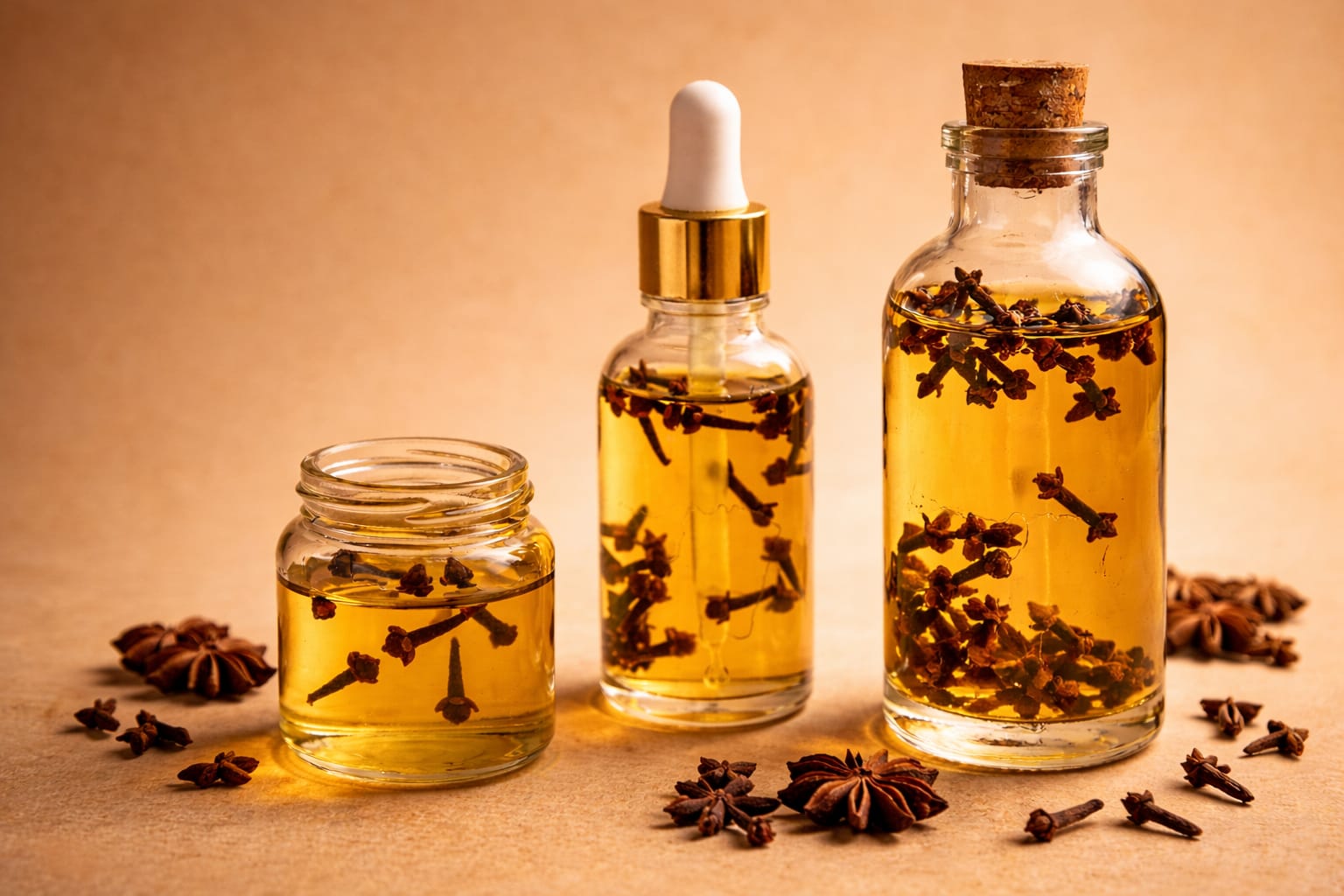
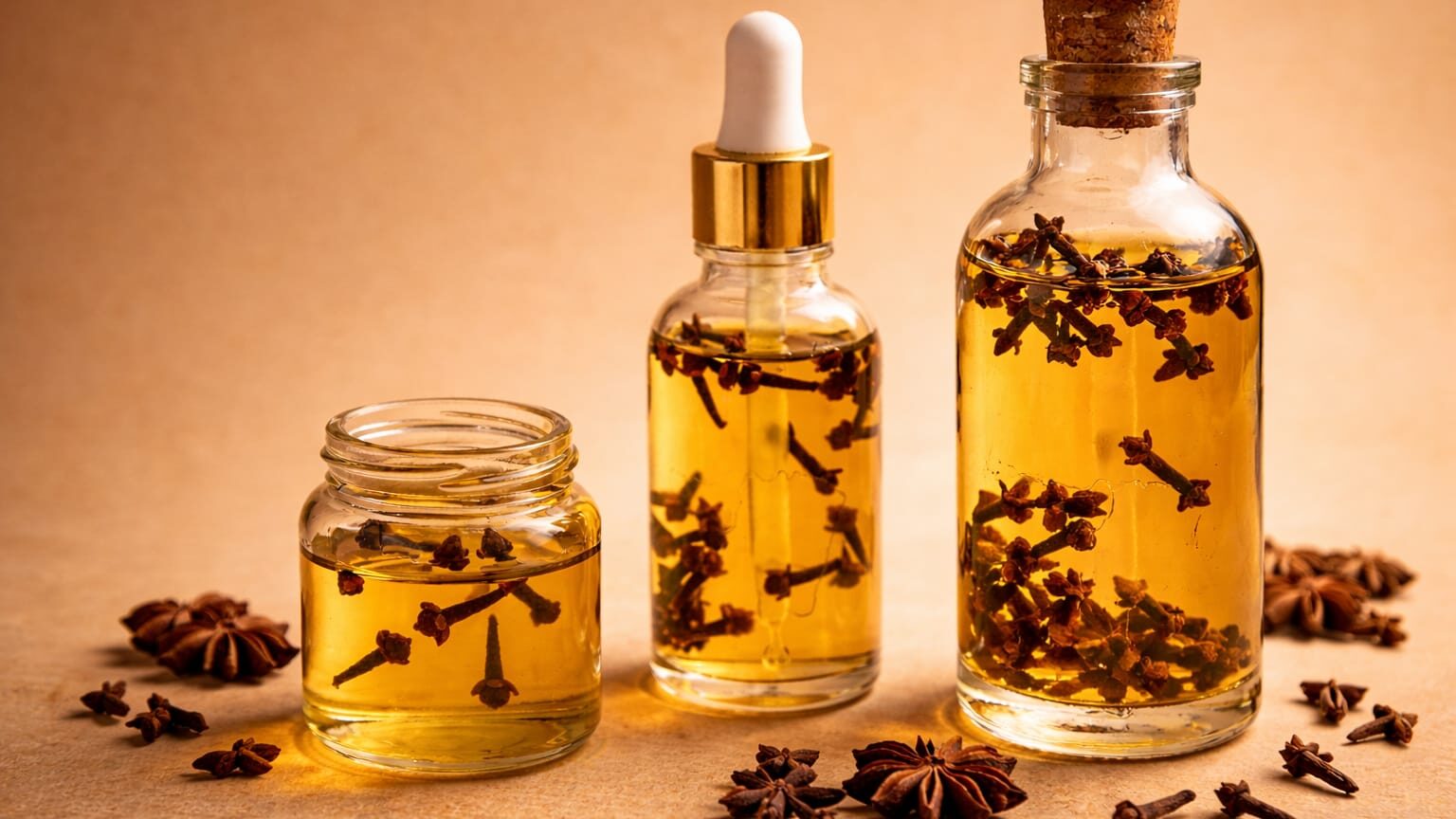
2. Add the whole cloves to the warm jojoba oil and let them infuse for 24–48 hours in a dark, cool spot. The longer they sit, the stronger the antioxidant infusion.
3. After infusing, strain out the cloves using a fine mesh strainer or cheesecloth.
4. Add the rosehip oil and vitamin E to the infused jojoba oil. Stir or shake gently to combine.
5. Transfer to a dark glass dropper bottle to preserve freshness.
How to Use It
Apply 3–4 drops to clean, slightly damp skin at night. Gently press it into your face using your fingertips — no rubbing. Let it absorb for a few minutes before your moisturizer.
Use it 4–5 nights a week consistently. Give it at least 3–4 weeks to see real results. Anti-aging skincare is a marathon, not a sprint.
Top 5 Benefits of Jojoba Oil for Your Face
1. It Deeply Moisturizes Without Clogging Your Pores
One of the biggest fears people have with facial oils is breakouts. But jojoba oil is non-comedogenic, meaning it won’t clog your pores. It creates a breathable moisture barrier on your skin that locks in hydration all day — or all night.
For mature skin especially, this is huge. As we age, our skin produces less of its own oil, which leads to that dry, papery look. Jojoba replenishes what your skin is losing naturally.
2. It Fights Fine Lines and Supports Collagen Production
Jojoba oil is rich in Vitamin E and B-complex vitamins, both of which help repair skin damage and support collagen synthesis. Collagen is the protein responsible for keeping your skin firm and plump — and after your mid-30s, your body produces less of it every year.
Using jojoba oil regularly as part of your nighttime routine can help slow down that visible aging process and keep your skin looking fuller and smoother over time.

3. It Soothes Irritated, Inflamed Skin
If your skin gets red, blotchy, or reactive, jojoba has natural anti-inflammatory properties that can calm it down. It contains myristic acid and behenic acid, both known to reduce skin inflammation without harsh chemicals.
This makes it perfect for sensitive, mature skin that doesn’t tolerate heavy products well.
4. It Balances Your Skin’s Oil Production
This sounds counterintuitive, but hear me out: when your skin is too dry, it overproduces oil to compensate. That leads to shine, breakouts, and uneven texture. Because jojoba mimics your skin’s natural sebum so closely, your skin *thinks* it’s already producing enough oil — so it chills out.
The result? More balanced, even-toned skin over time.
5. It’s Packed with Antioxidants That Protect Against Aging
Free radical damage from sun exposure, pollution, and stress accelerates skin aging. Jojoba oil’s natural antioxidants — including vitamin E — help neutralize that damage before it turns into wrinkles, dark spots, or sagging.
Think of it as a daily shield for your skin, working quietly in the background.
What does jojoba oil do for your skin?
Jojoba oil moisturizes, balances oil production, soothes inflammation, and delivers antioxidants directly to your skin. Because it mimics your skin’s natural sebum, it absorbs quickly and works across almost every skin type — dry, oily, combination, and sensitive. For aging skin, it’s especially valuable because it supports the skin barrier and helps reduce the appearance of fine lines over time.
Is jojoba oil good as a face moisturizer?
Yes — and it’s actually one of the best natural options out there. Jojoba oil works as both a standalone moisturizer and a booster you mix into your existing routine. It’s lightweight enough for daytime use and nourishing enough for nighttime recovery. If your skin has been feeling dry, dull, or tight lately, adding jojoba to your moisturizing step can make a noticeable difference within a few weeks.
Can I use jojoba oil on my face every day?
Absolutely. Jojoba oil is gentle enough for daily use on most skin types. Start with a few drops at night if you’re new to facial oils, then work your way up to morning use as well once your skin adjusts. Patch test first if you have very reactive skin.
How long does it take to see results from jojoba oil?
Most people start noticing softer, more hydrated skin within the first 1–2 weeks. For anti-aging benefits like reduced fine lines and improved firmness, give it a consistent 4–6 weeks. Skin cell turnover takes time, and natural ingredients work gradually — but they work.
Does jojoba oil help with dark spots or uneven skin tone?
On its own, jojoba oil isn’t a dedicated brightening ingredient — but in the recipe above, the rosehip oil and vitamin E both help fade dark spots and even out skin tone over time. Clove also has mild brightening properties. Together, this serum addresses both texture and tone, not just moisture.
If you’re in your 30s, 40s, or beyond and you haven’t added jojoba oil to your skincare routine yet — this is your sign. It’s one of those rare ingredients that truly works for everyone, costs very little, and delivers results that expensive serums charge triple for.
The DIY serum above is a great starting point. Simple ingredients, a five-minute prep, and consistent use is all it takes.
Your future skin will thank you for starting today.