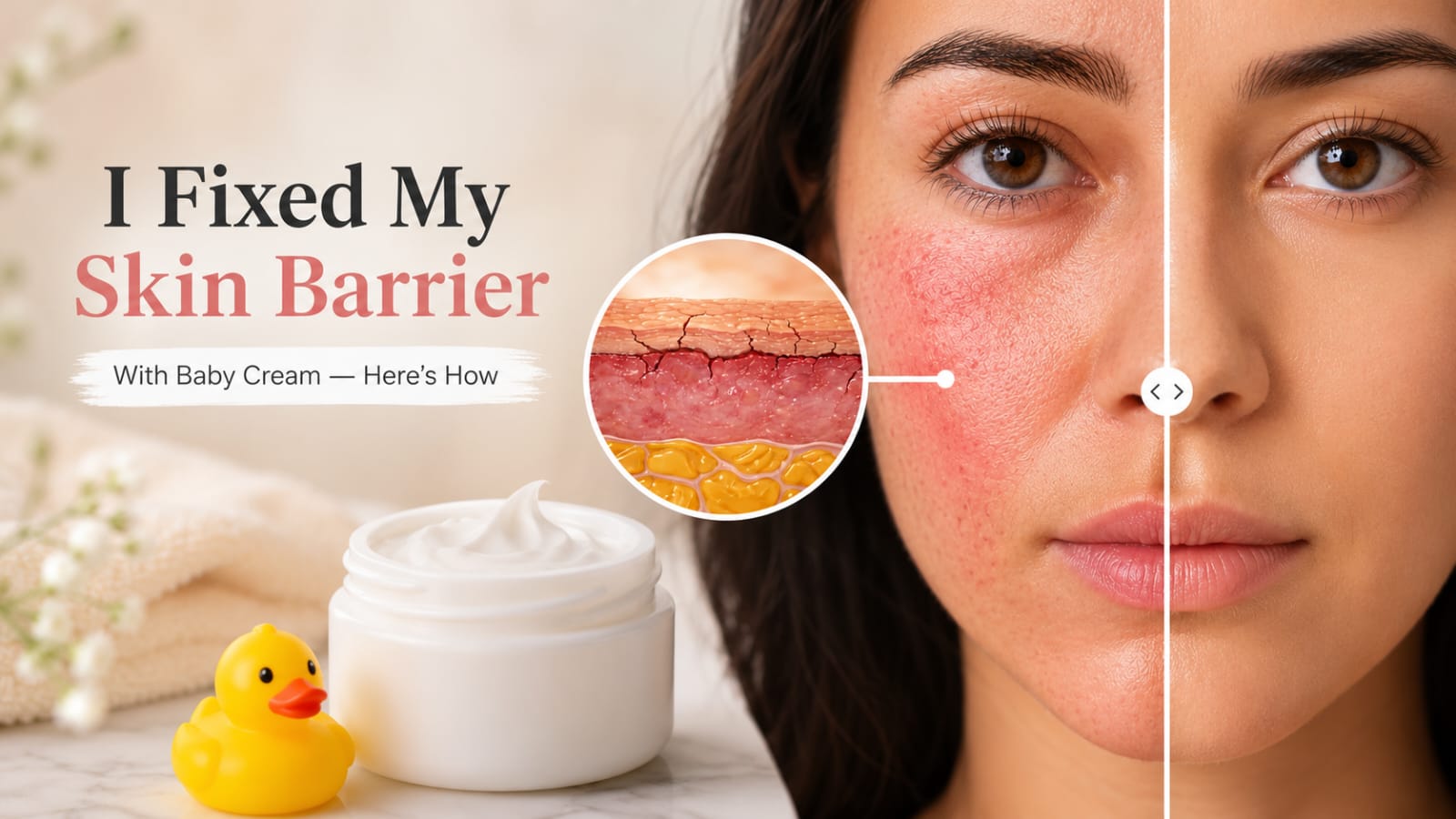
If your skin has been stinging when you apply your usual serum, feels tight right after washing, or just looks… off lately dull, flaky, randomly breaking out you’re not imagining it. Your skin barrier is damaged, and it’s more common than you’d think. The good news? A damaged skin barrier is one of the most fixable skin issues out there, and you don’t need a ten-step routine or a shelf full of products to bring it back. You need the right two things, used consistently, for about a week.
Let’s break down exactly what’s happening to your skin and how to fix it.
Symptoms of a Damaged Skin Barrier
Your skin barrier is the outermost layer of your skin — think of it as a brick wall made of skin cells (the “bricks”) held together by lipids (the “mortar”). When that wall is intact, it locks moisture in and keeps irritants out. When it’s damaged, everything gets in and everything gets out, which is why skin barrier recovery starts with knowing what to look for.
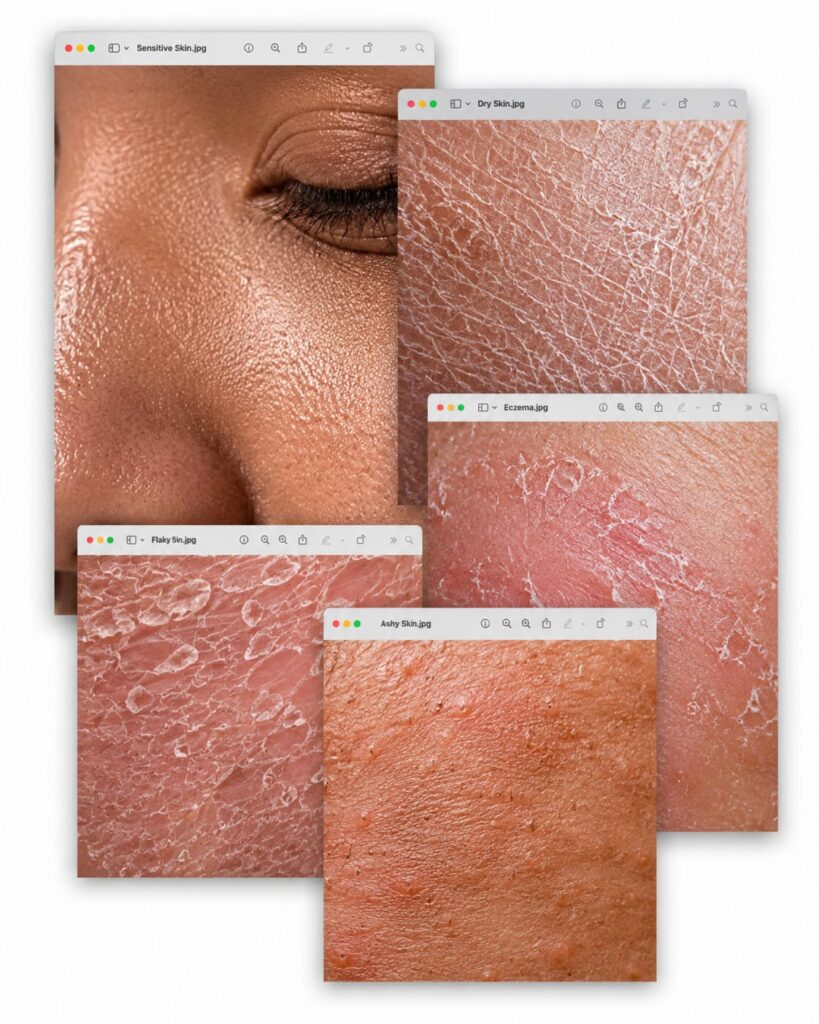
Here’s how a compromised barrier usually shows up:
- Stinging or burning when you apply products that never used to bother you
- Persistent tightness, even right after moisturizing
- Flaking, rough texture, or patchy dryness
- Redness or a hot, irritated feeling on the cheeks or around the nose
- Sudden breakouts in areas that are usually clear
- Dull, tired-looking skin that doesn’t bounce back with your usual products
One of the biggest causes? Overusing active ingredients. Retinol, exfoliating acids, harsh cleansers, and even too much of a “good” product can strip your barrier faster than you’d expect. If you’ve been layering actives every night or scrubbing your face a little too enthusiastically, that’s very likely what’s behind the damage — and it’s exactly why skin barrier recovery has to start with pulling back, not adding more.
Best Skin Barrier Repair Product for Recovery
Here’s where most articles overwhelm you with seven or eight different products, or serums, and a whole cabinet of “must-haves.” I’m not going to do that. You genuinely only need one product to repair your skin barrier within days, and it’s probably not what you’d expect: a basic, fragrance-free zinc oxide diaper rash cream.
Stay with me — this isn’t a gimmick. A lot of people hear “diaper rash cream” and assume it’s just for baby skin, but the reason it works so well is a specific ingredient hiding inside most formulas: zinc oxide. It’s the same active ingredient dermatologists have started recommending for adult skin barrier repair because it forms a protective seal over the skin while calming redness and irritation beneath the surface — the exact combination a damaged barrier needs to heal.
How to use it:
- Cleanse gently at night with a mild, non-foaming cleanser.
- Apply a thick layer of zinc oxide cream over your entire face and leave it on overnight.
- Repeat nightly until your skin feels calm, hydrated, and back to normal — this is usually within a week for most people.
- During the day, sunscreen is non-negotiable. Your barrier is extra vulnerable while it’s healing, and skipping SPF will undo your progress fast.
That’s genuinely it. Two consistent steps — the overnight barrier cream and daily sunscreen — and most people notice a real difference in their skin within the week.
A couple of things to keep in mind before you buy: look for a fragrance-free formula, and double-check it doesn’t contain a steroid (some rash creams do, and those aren’t meant for daily long-term use). If your usual drugstore doesn’t carry a zinc oxide barrier cream, you can find trusted, dermatologist-recommended options from a reliable online retailer — just make sure it’s a reputable source. I already mentioned it below.
Where to Buy: My Go-To Barrier Recovery Picks
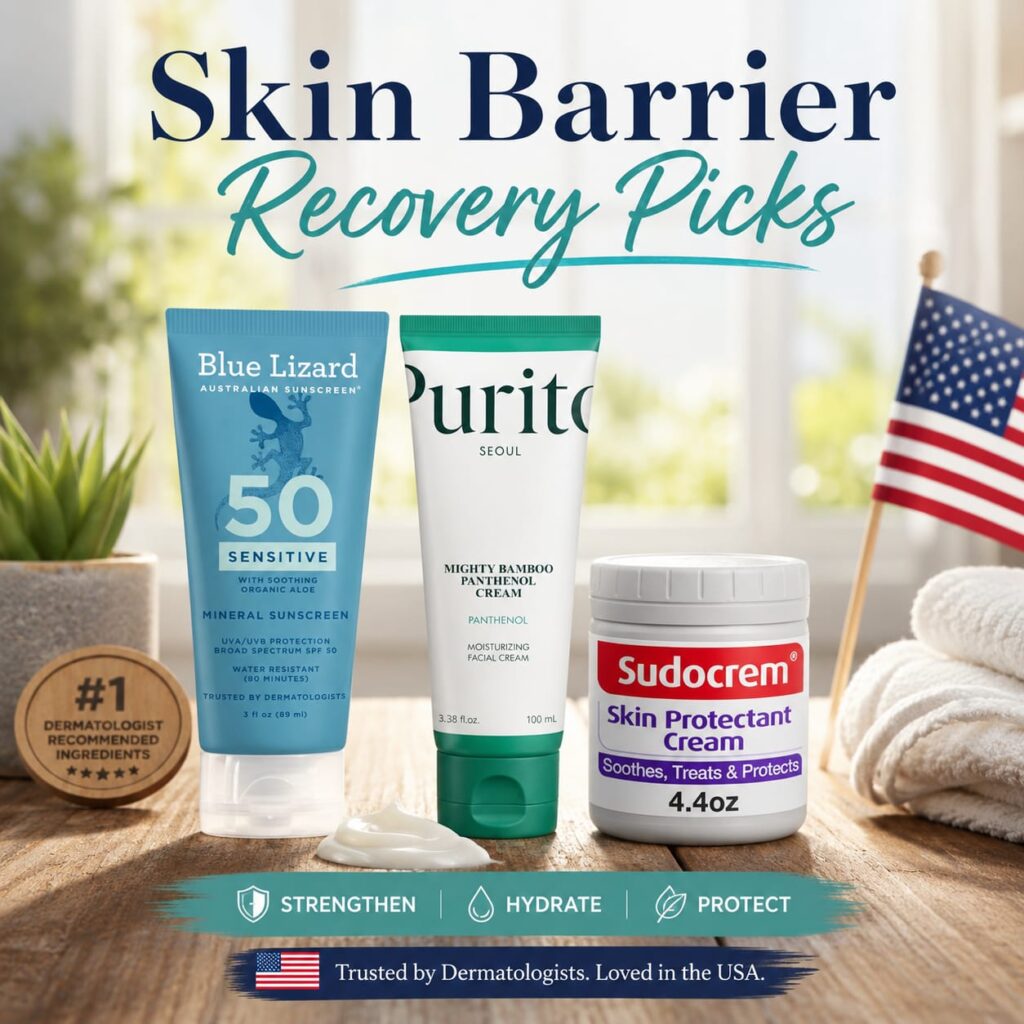
“The fragrance-free mineral sunscreen dermatologists actually recommend — protects your healing barrier while you repair it.”
“The Korean skincare secret with 10% Panthenol that rebuilds your barrier without clogging pores — even for sensitive, blemish-prone skin.”
“The 90-year-old cult-favorite zinc oxide cream that fixes a damaged skin barrier overnight — now available on Amazon US.”
Pro Tip: Prevent Skin Barrier Damage Before It Starts
Once your barrier is repaired, the goal is to keep it that way — especially if you use active ingredients like retinol, vitamin C, or exfoliating acids regularly. Here’s the simple habit that prevents future damage:
Once a week, on the same day you’d normally use your active ingredient, swap it out for your zinc oxide barrier cream instead. This gives your skin a built-in recovery day before damage even has a chance to build up. It sounds almost too simple, but this one swap is what keeps your barrier resilient long-term instead of constantly cycling through damage-and-repair.
Want quick skincare fixes like this? Follow our WhatsApp Channel for daily tips.
Alongside that, make fragrance-free moisturizer part of your daily routine, not just something you reach for when your skin is already upset. Fragrance is one of the most common irritants for a sensitive or healing barrier, so keeping it out of your daily products makes a bigger difference than people expect.


How to Naturally Repair Skin Barrier at Home
If you want to add a natural, at-home remedy alongside your routine, a colloidal oatmeal mask is one of the most soothing options for irritated, barrier-compromised skin.
What you’ll need:
- 2 tablespoons finely ground oat powder (colloidal oatmeal)
- 1 tablespoon plain yogurt or water
How to make it:
Mix the oat powder with the yogurt or water until it forms a smooth paste. Apply an even layer to your face and let it sit for 10–15 minutes, then rinse off with lukewarm water.
Why it works: Oats contain compounds that soothe inflammation and help reduce redness, while also supporting your skin’s natural moisture retention. It’s gentle enough to use 2–3 times a week, making it a great companion to your nightly barrier cream routine without overloading your skin.
FAQ: Skin Barrier Recovery
How long does it take to repair a damaged skin barrier?
Most people see noticeable improvement within 5–7 days of consistent care, though a more severely damaged barrier can take two to four weeks to fully recover.
Can I use moisturizer alone to repair my skin barrier?
Moisturizer helps, but a damaged barrier usually needs a stronger occlusive (barrier-sealing) ingredient like zinc oxide to actually recover, not just surface hydration.
What ingredients should I avoid when my skin barrier is damaged?
Avoid retinol, exfoliating acids (AHAs/BHAs), fragrance, and harsh foaming cleansers until your barrier has fully healed.
Is diaper rash cream actually safe to use on your face?
Yes, for most people — as long as it’s fragrance-free and steroid-free. If you have known allergies to zinc, lanolin, or petroleum-based ingredients, patch test first or check with a dermatologist.
How do I know my skin barrier is healing?
Reduced stinging when applying products, less tightness after cleansing, and a return to your normal texture and tone are all signs your barrier is on the mend.
Your skin barrier doesn’t need a complicated routine to bounce back — it needs consistency, a little patience, and the right ingredient doing the heavy lifting. Give it a week, and your skin will tell you the rest.