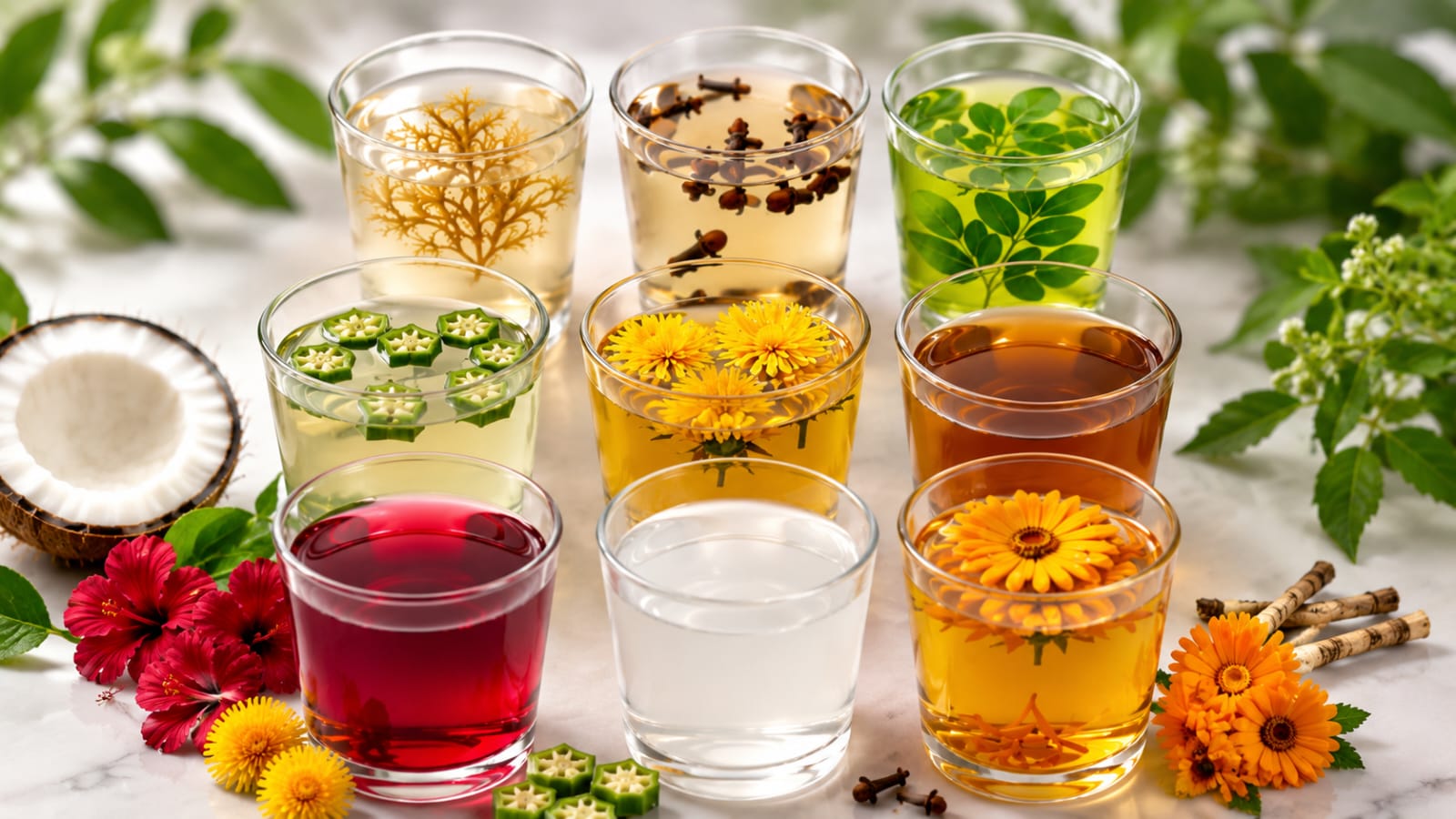
In this guide, we’re covering nine homemade drinks that have earned a reputation in skincare circles: sea moss tea, clove water, moringa tea, okra water, dandelion tea, burdock root tea, hibiscus tea, coconut water, and calendula tea. For each one, you’ll get a simple recipe, the potential skin benefits, how often to drink it, who should be cautious, and practical tips for making it at home. We’ll also cover the science, safety considerations, and answer some of the most common questions people ask about skin drinks.
Let’s get into it.
1. Sea Moss Tea
What Is Sea Moss Tea?
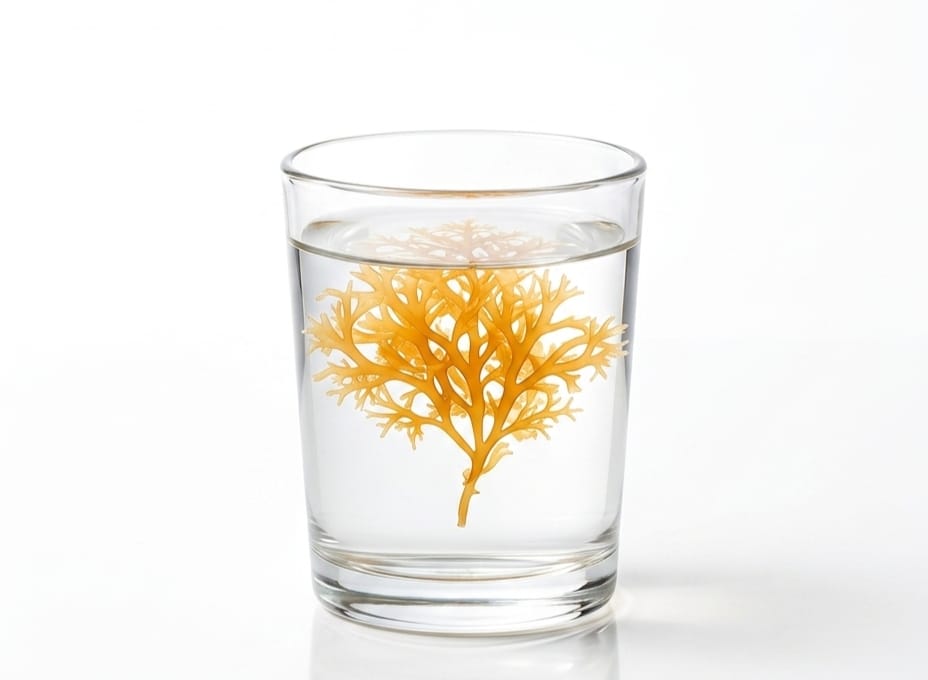
Sea moss (Chondrus crispus) is a type of red algae that grows along the Atlantic coastlines of Europe and North America. It has become a wellness trend food, often consumed as a gel, smoothie add-in, or brewed tea. Sea moss contains minerals like iodine, potassium, and calcium, along with some fiber.
Potential Skin Benefits
Sea moss is often marketed for skin hydration and a smoother-looking complexion, largely due to its mineral content and natural mucilage (a gel-like substance that may help retain moisture). Some people find that consistent use supports a healthy-looking glow, though controlled research specifically on sea moss and human skin is limited.
Easy Homemade Recipe
Ingredients:
- 2 tablespoons dried sea moss (wildcrafted, well-rinsed)
- 2 cups filtered water
- 1 teaspoon honey (optional)
- Juice of half a lemon (optional)
Instructions:
Rinse the dried sea moss thoroughly under cold water to remove any sand or debris.
Soak the sea moss in filtered water for 8–12 hours, or overnight, until it softens and expands.
Drain and rinse again.
Add the soaked sea moss to 2 cups of fresh water and bring to a gentle simmer for 10–15 minutes.
Strain out the sea moss pieces (or blend the mixture for a thicker, gel-like tea).
Stir in honey and lemon juice if desired.
Serving size: 1 cup (8 oz)
Storage: Store any extra sea moss gel in an airtight container in the refrigerator for up to 2–3 weeks.
Best Time to Drink
Morning, on an empty stomach, is commonly preferred, though it can be enjoyed any time of day.
How Many Times Per Week?
3–4 times per week is a common starting point.
Who May Benefit Most?
People looking to support hydration and mineral intake as part of a broader wellness routine.
Possible Side Effects
Because sea moss is naturally high in iodine, overconsumption may affect thyroid function in sensitive individuals. Some people also experience mild digestive upset when first introducing sea moss.
Who Should Avoid It?
Those with thyroid conditions, iodine sensitivity, or who are on thyroid medication should check with a healthcare provider before regular use.
Pro Tips
Buy from a reputable source, as wildcrafted sea moss can vary in quality.
Start with a small amount to see how your body responds before increasing intake.
2. Clove Water

What Is Clove Water?
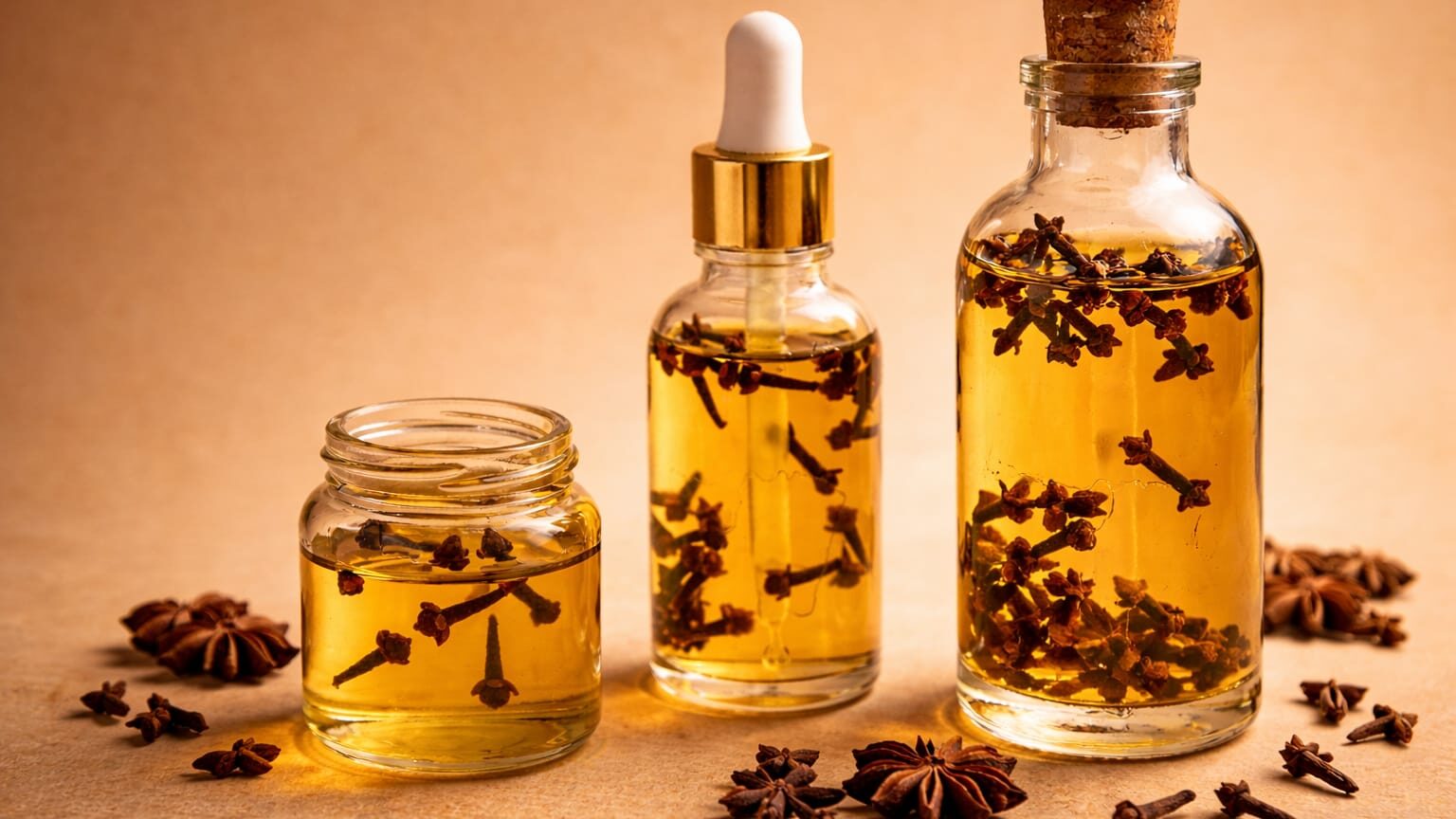
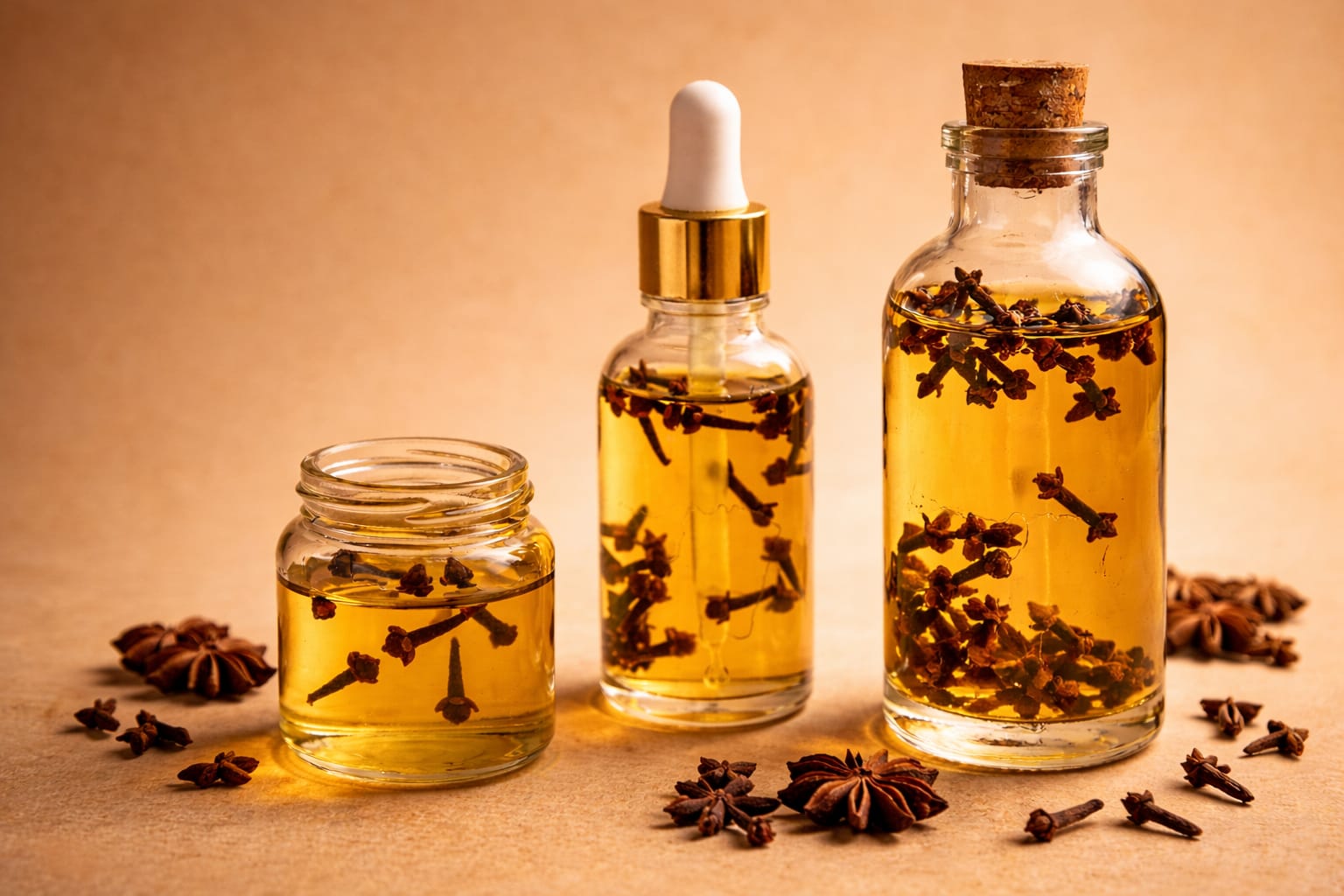
Clove water is made by steeping whole cloves — the dried flower buds of the clove tree — in hot water. Cloves are naturally rich in eugenol, a compound that has been studied for its antioxidant properties.
Potential Skin Benefits
Clove water is often discussed in the context of supporting skin that shows signs of aging, thanks to the antioxidant activity associated with eugenol. Some people also use it as part of a routine aimed at supporting overall skin tone. It’s worth noting that clove is very concentrated, so moderation is key.
Easy Homemade Recipe
Ingredients:
- 4–5 whole cloves
- 1.5 cups filtered water
- 1 small cinnamon stick (optional, for flavor)
Instructions:
Bring water to a boil in a small saucepan.
Add the whole cloves (and cinnamon stick if using).
Reduce heat and let simmer for 5–7 minutes.
Remove from heat and let steep an additional 5 minutes.
Strain into a cup and let cool slightly before drinking.
Serving size: 1 small cup (4–6 oz), not a full 8 oz serving, due to clove’s potency.
Storage: Best consumed fresh. If storing, refrigerate for up to 2 days in a sealed container.
Best Time to Drink
Many people prefer clove water in the morning or early afternoon.
How Many Times Per Week?
2–3 times per week, given its concentrated nature. Daily use is generally not recommended without professional guidance.
Who May Benefit Most?
Adults interested in incorporating antioxidant-rich herbal drinks into a mature skincare routine.
Possible Side Effects
Overconsumption of clove may cause digestive discomfort, mouth or throat irritation, or interact with blood-thinning medications due to natural compounds in cloves that may affect blood clotting.
Who Should Avoid It?
Individuals on blood thinners, those with bleeding disorders, pregnant or breastfeeding individuals, and children should avoid regular clove water consumption without medical advice.
Pro Tips
Always use whole cloves rather than concentrated clove oil, which is far too potent for internal use.
Keep portions small — a little goes a long way.
3. Moringa Tea
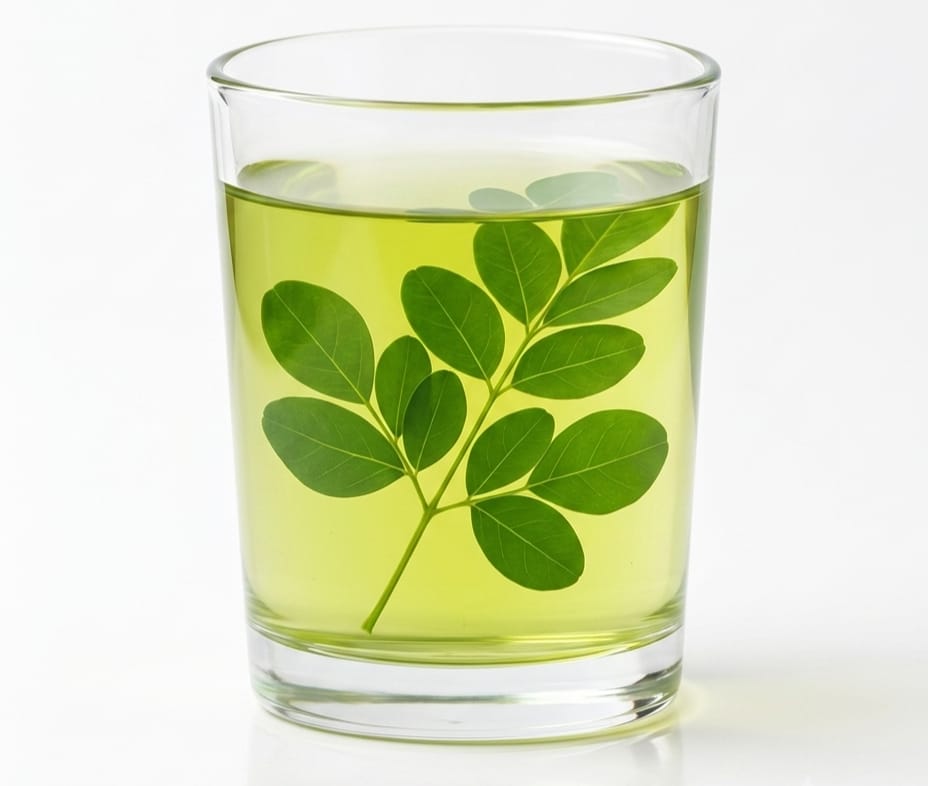
What Is Moringa Tea?
Moringa (Moringa oleifera) is a plant native to South Asia, sometimes called the “miracle tree” because of its dense nutrient profile, including vitamins A, C, and E, along with various minerals.
Potential Skin Benefits
Moringa’s vitamin and antioxidant content is often associated with supporting skin that looks dull or tired. Some research suggests moringa leaf extract has antioxidant properties, though most of this evidence comes from lab and topical studies rather than drinking the tea specifically.
Easy Homemade Recipe
Ingredients:
- 1 teaspoon dried moringa leaf powder (or 1 moringa tea bag)
- 1.5 cups hot water
- 1 teaspoon honey
- Squeeze of fresh lemon
Instructions:
Boil water and let it cool for about 1 minute (moringa can turn bitter in water that’s too hot).
Add moringa powder or tea bag.
Steep for 5–7 minutes.
Strain if using loose powder.
Stir in honey and lemon to taste.
Serving size: 1 cup (8 oz)
Storage: Best enjoyed fresh. Dried moringa powder should be stored in an airtight container away from light.
Best Time to Drink
Morning is popular, as some people find moringa mildly energizing.
How Many Times Per Week?
4–5 times per week is common.
Who May Benefit Most?
Those looking to support a brighter, more awake-looking complexion as part of their daily nutrition.
Possible Side Effects
Moringa may have a mild laxative effect in some people when consumed in large amounts. It may also interact with medications for blood pressure or diabetes.
Who Should Avoid It?
Pregnant individuals (moringa root and bark specifically have been linked to uterine contractions, though leaf tea is considered lower risk, caution is still advised), and those on blood pressure or diabetes medication should consult a doctor first.
Pro Tips
Don’t oversteep — moringa can become bitter quickly.
Look for pure moringa powder without fillers.
4. Okra Water
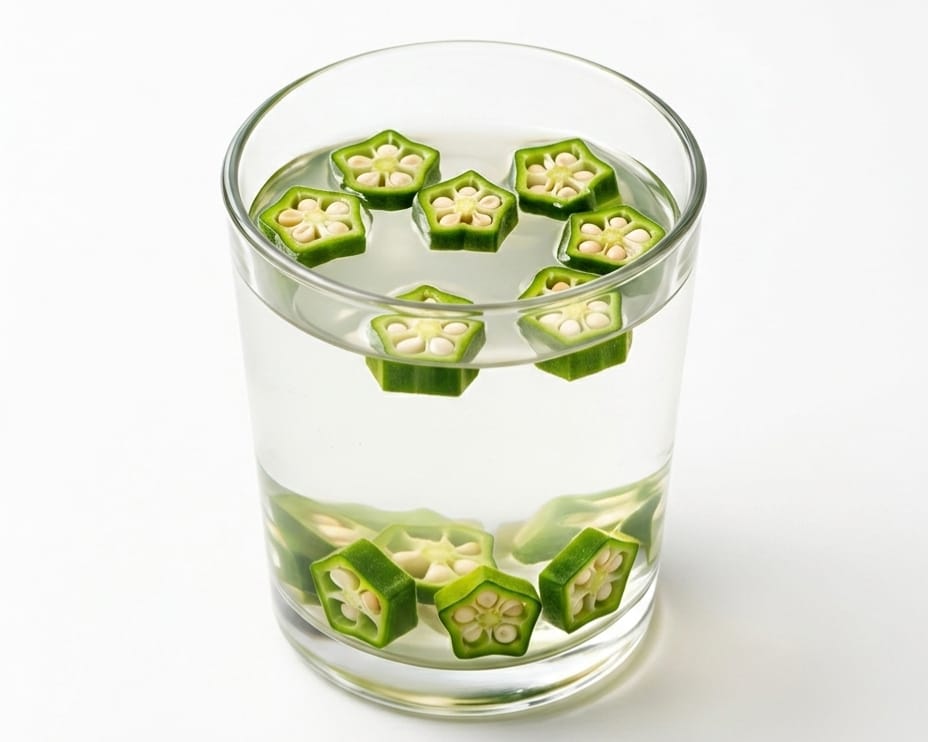
What Is Okra Water?
Okra water is made by soaking sliced okra pods in water, which releases a natural mucilage (a gel-like fiber) into the liquid. This mucilage is rich in soluble fiber and has drawn attention for its potential skin-related benefits.
Potential Skin Benefits
Okra contains vitamin C and antioxidants that may support collagen-related processes tied to skin elasticity. The soluble fiber may also support digestive health, which some people associate with clearer-looking skin.
Easy Homemade Recipe
Ingredients:
- 4–5 fresh okra pods, sliced lengthwise
- 2 cups filtered water
Instructions:
Slice the okra pods lengthwise to expose the interior.
Place the sliced okra in a glass jar or bowl with the filtered water.
Cover and refrigerate overnight (8–12 hours).
Remove the okra pieces and drink the infused water.
Serving size: 1 cup (8 oz), typically once daily.
Storage: Consume within 24 hours for best quality and freshness.
Best Time to Drink
Morning, on an empty stomach, is the most common recommendation.
How Many Times Per Week?
3–5 times per week.
Who May Benefit Most?
Those interested in supporting skin firmness and elasticity through diet.
Possible Side Effects
Okra is generally well tolerated, but some people may experience bloating or gas due to its fiber content, especially with excessive intake.
Who Should Avoid It?
People with kidney stones (okra contains oxalates) should speak with a doctor before regular consumption.
Pro Tips
Use fresh, firm okra pods for the best mucilage release.
If the texture bothers you, strain thoroughly before drinking.
5. Dandelion Tea
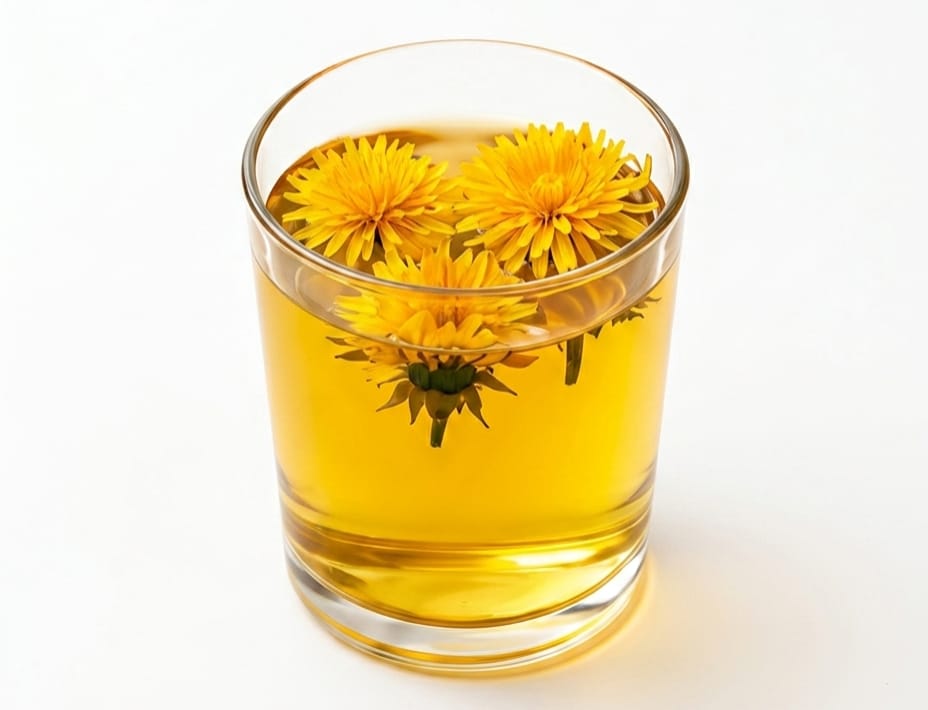
What Is Dandelion Tea?
Made from the roots or leaves of the dandelion plant, this tea has a long history of traditional use for digestive support. Dandelion contains antioxidants and has mild diuretic properties.
Potential Skin Benefits
Because dandelion tea is traditionally used to support digestion and liver function, some people find it supports a clearer, healthier-looking complexion — likely connected to the broader gut-skin relationship rather than a direct topical effect.
Easy Homemade Recipe
Ingredients:
- 1 tablespoon dried dandelion root (or 1 tea bag)
- 1.5 cups hot water
- 1 teaspoon honey (optional)
- Splash of oat milk (optional, for a dandelion “latte” style drink)
Instructions:
Boil water and pour over dandelion root or tea bag.
Steep for 8–10 minutes for a fuller flavor.
Strain if using loose root.
Add honey or milk if desired.
Serving size: 1 cup (8 oz)
Storage: Best consumed fresh. Dried dandelion root keeps well in a sealed container for several months.
Best Time to Drink
Morning or early afternoon, given its mild diuretic effect.
How Many Times Per Week?
3–4 times per week.
Who May Benefit Most?
Those looking to support digestion alongside their skincare goals.
Possible Side Effects
Dandelion tea’s diuretic effect may increase urination. It may also interact with certain diuretic medications or blood thinners.
Who Should Avoid It?
People with gallbladder issues, those on diuretics or blood thinners, and individuals allergic to ragweed or related plants (dandelion is part of the same family) should use caution.
Pro Tips
Choose root-based tea for a deeper, coffee-like flavor if you’re replacing your morning coffee.
Avoid drinking right before bed due to its diuretic properties.
6. Burdock Root Tea

What Is Burdock Root Tea?
Burdock root has been used in traditional medicine practices for generations, often associated with skin support. It contains antioxidants and inulin, a type of prebiotic fiber.
Potential Skin Benefits
Burdock root is frequently mentioned in discussions about supporting clearer-looking skin, possibly related to its traditional use for detoxification support and its prebiotic fiber content, which may support gut health.
Easy Homemade Recipe
Ingredients:
- 1 tablespoon dried burdock root
- 2 cups water
- 1 teaspoon honey (optional)
Instructions:
Add burdock root to water in a small saucepan.
Bring to a boil, then reduce heat and simmer for 10–15 minutes.
Remove from heat and let steep another 5 minutes.
Strain and sweeten if desired.
Serving size: 1 cup (8 oz)
Storage: Refrigerate leftovers for up to 2 days.
Best Time to Drink
Any time of day, though many prefer it in the morning.
How Many Times Per Week?
3 times per week is a reasonable starting frequency.
Who May Benefit Most?
Those interested in supporting skin clarity as part of a broader wellness and nutrition routine.
Possible Side Effects
Burdock root may cause allergic reactions in people sensitive to plants in the daisy family (ragweed, marigolds, chrysanthemums).
Who Should Avoid It?
Pregnant or breastfeeding individuals, and those with known allergies to the Asteraceae/daisy plant family, should avoid burdock root tea.
Pro Tips
Combine with a slice of fresh ginger for added flavor and warmth.
Source from a trusted herbal supplier to ensure quality.
7. Hibiscus Tea
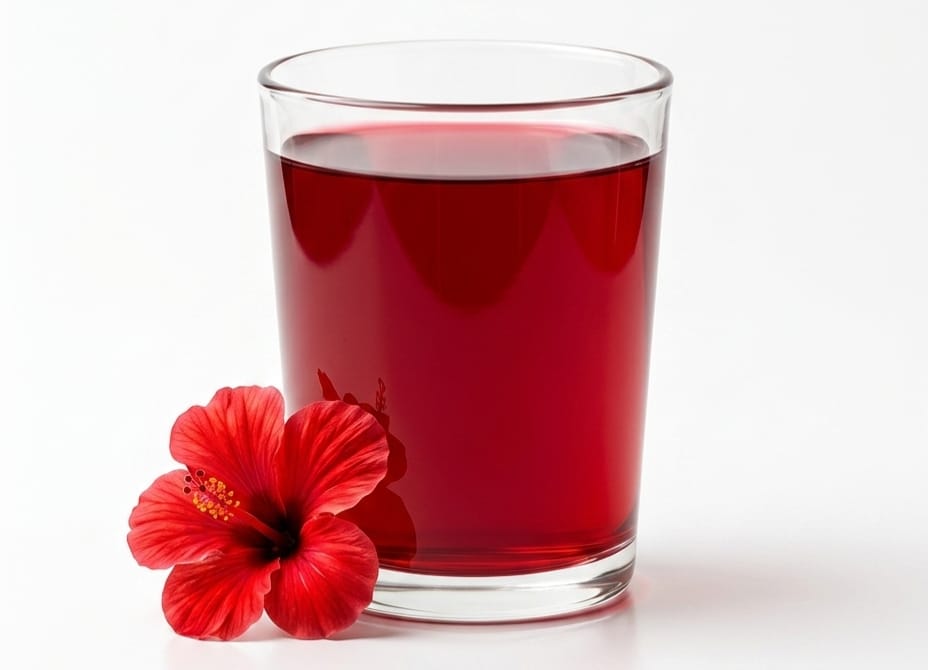
What Is Hibiscus Tea?
Made from the dried calyces of the hibiscus flower, this deep red tea is tart, refreshing, and rich in anthocyanins — a type of antioxidant polyphenol.
Potential Skin Benefits
Hibiscus tea’s antioxidant content is often linked to supporting healthy skin texture and helping the body manage everyday oxidative stress. Some research suggests hibiscus extract may have mild skin-supportive properties, though most studies focus on topical application rather than drinking the tea.
Easy Homemade Recipe
Ingredients:
- 2 tablespoons dried hibiscus flowers
- 2 cups water
- 1 tablespoon honey
- A few mint leaves (optional)
- Ice, for serving cold
Instructions:
Boil water and pour over dried hibiscus flowers.
Steep for 5–7 minutes.
Strain into a cup or pitcher.
Stir in honey while warm, then add mint and ice if serving cold.
Serving size: 1 cup (8 oz)
Storage: Keeps well in the refrigerator for up to 3 days.
Best Time to Drink
Anytime — hibiscus tea is popular both hot in the morning and iced in the afternoon.
How Many Times Per Week?
Up to daily, in moderation (1 cup per day).
Who May Benefit Most?
Those looking for an antioxidant-rich, low-caffeine drink to add to their daily routine.
Possible Side Effects
Hibiscus tea may lower blood pressure slightly, which can be an issue for those already on blood pressure medication.
Who Should Avoid It?
Individuals with low blood pressure, those on blood pressure medications, and pregnant individuals (some sources suggest avoiding hibiscus during pregnancy) should consult a healthcare provider first.
Pro Tips
Hibiscus pairs well with a cinnamon stick for a warming, fall-inspired flavor.
For a fun twist, freeze leftover tea into ice cubes to use in future glasses without diluting the flavor.
8. Coconut Water
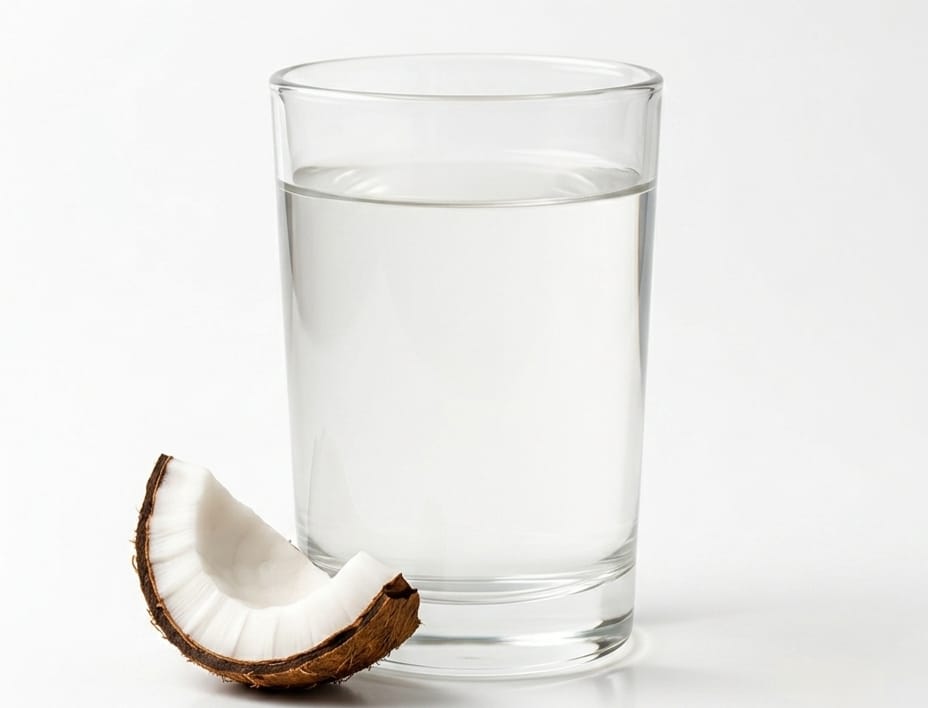
What Is Coconut Water?
Coconut water is the clear liquid found inside young, green coconuts. It’s naturally rich in electrolytes like potassium, sodium, and magnesium.
Potential Skin Benefits
Because of its electrolyte content, coconut water is often associated with supporting hydration — and well-hydrated skin tends to look and feel more supple. It’s a lower-sugar alternative to many sports drinks and juices.
Easy Homemade Recipe
Ingredients:
- 1 young coconut (or 1.5 cups store-bought, unsweetened coconut water)
- Juice of half a lime (optional)
- A few mint leaves (optional)
Instructions:
If using a fresh coconut, carefully puncture the top with a clean knife or coconut opener tool and pour the liquid into a glass.
Add lime juice and mint if desired.
Serve chilled.
Serving size: 1 cup (8 oz)
Storage: Fresh coconut water should be consumed within 24 hours. Store-bought, unopened coconut water follows the package’s expiration date; once opened, refrigerate and use within 2–3 days.
Best Time to Drink
Anytime, especially after exercise or on hot days.
How Many Times Per Week?
Up to daily, in moderate amounts (about 1 cup).
Who May Benefit Most?
Anyone looking for a natural, lower-sugar way to support daily hydration.
Possible Side Effects
Coconut water is high in potassium, so excessive intake may not be suitable for people with kidney issues or those on potassium-restricted diets.
Who Should Avoid It?
Individuals with kidney disease or those advised to limit potassium intake should check with their doctor before regular consumption.
Pro Tips
Choose unsweetened, unflavored varieties to avoid added sugar.
Shake before drinking, since natural separation is normal.
9. Calendula Tea
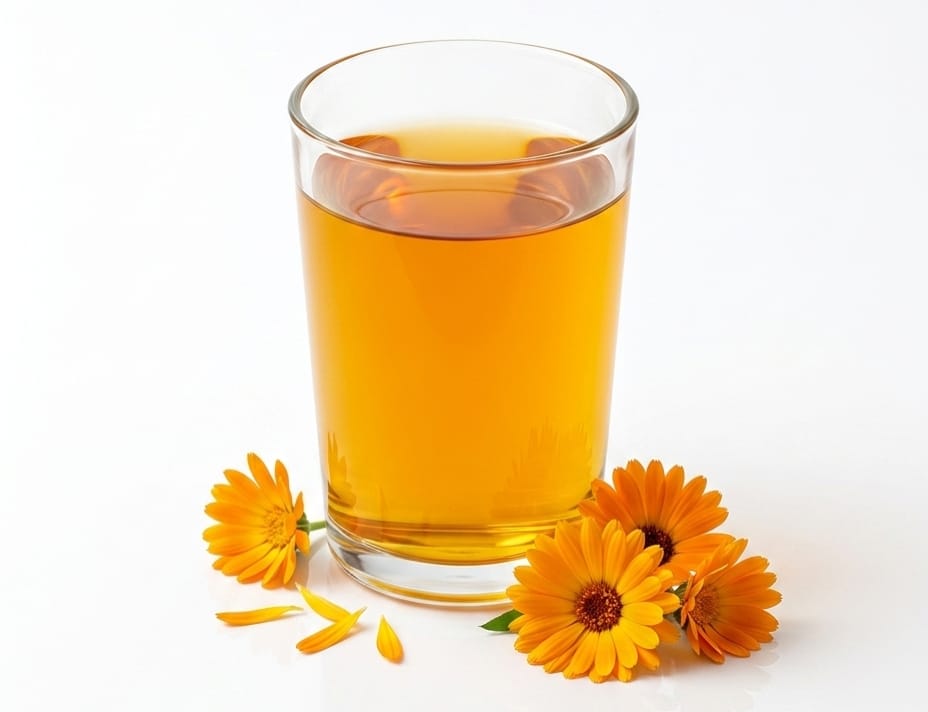
What Is Calendula Tea?
Calendula (Calendula officinalis), also known as pot marigold, is a flowering plant that’s been used traditionally for skin support, both topically and as a tea.
Potential Skin Benefits
Calendula is traditionally used for its soothing properties, and some people drink calendula tea hoping to support calm, comfortable-looking skin from the inside. Much of the existing research on calendula focuses on topical use (like calendula-infused salves), so evidence for internal use and skin benefits specifically is more limited.
Easy Homemade Recipe
Ingredients:
- 1 tablespoon dried calendula petals
- 1.5 cups hot water
- 1 teaspoon honey (optional)
Instructions:
Boil water and pour over dried calendula petals.
Cover and steep for 8–10 minutes.
Strain into a cup.
Sweeten with honey if desired.
Serving size: 1 cup (8 oz)
Storage: Best consumed fresh; dried calendula petals store well in a sealed, dark container for several months.
Best Time to Drink
Evening is popular, as many people find calendula tea calming.
How Many Times Per Week?
3–4 times per week.
Who May Benefit Most?
Those looking for a gentle, traditionally-used herbal tea to wind down with in the evening.
Possible Side Effects
Allergic reactions are possible, particularly in those sensitive to the daisy/Asteraceae plant family (which includes ragweed, marigolds, and chrysanthemums).
Who Should Avoid It?
Pregnant individuals, those with known allergies to the Asteraceae family, and people on sedative medications should use caution.
Pro Tips
Combine with chamomile for an extra-relaxing evening blend.
Look for organic, food-grade calendula petals specifically sold for tea use.
Comparison Table Drink
| Drinks | Main Skin Support | Best Time | Weekly Intake | Avoid If |
| Sea Moss Tea | Hydration, minerals | Morning | 3-4x/week | Thyroid conditions |
| Clove Water | Aging support, antioxidants | Morning/early afternoon | 2-3x/week | On blood thinners, pregnant |
| Moringa Tea | Dull skin, brightness | Morning | 4-5x/week | Pregnant, on BP/diabetes meds |
| Okra Water | Skin elasticity | Morning | 3-5x/week | Kidney stone history |
| Dandelion Tea | Digestion, clarity | Morning/early afternoon | 3-4x/week | On diuretics, ragweed allergy |
| Burdock Root Tea | Clearer-looking skin | Anytime | 3x/week | Daisy family allergy, pregnant |
| Hibiscus Tea | Texture, antioxidants | Anytime | Up to daily | Low blood pressure, pregnant |
| Coconut Water | Hydration, electrolytes | Anytime | Up to daily | Kidney disease |
| Calendula Tea | Calm, comfortable skin | Evening | 3-4x/week | Daisy family allergy, pregnant |
Which Drink Is Best for Your Skin Goal?
Dry skin: Coconut water and sea moss tea are worth prioritizing, thanks to their hydration and mineral content.
Dull skin: Moringa tea’s vitamin and antioxidant profile makes it a popular pick for supporting a brighter-looking complexion.
Anti-aging support: Clove water and hibiscus tea both bring antioxidant compounds into the conversation around aging skin.
Healthy-looking complexion: Burdock root tea and dandelion tea, with their traditional ties to digestion, are often chosen here.
Skin hydration: Coconut water is the most straightforward choice, given its electrolyte content.
General wellness: Calendula tea and hibiscus tea are gentle, easy options to rotate into a daily routine without much risk of overdoing it.
What Does Research Say?
It’s important to set realistic expectations here. Much of the interest in these drinks comes from traditional and historical use, along with lab-based or topical studies on the individual plant compounds (like eugenol in cloves or anthocyanins in hibiscus). Direct, large-scale human studies specifically testing “drinking tea X improves skin Y” are limited for most of these options.
That said, the broader relationship between nutrition, hydration, antioxidant intake, and skin appearance is fairly well established in nutritional science. Vitamin C’s role in collagen synthesis, for example, is well documented. Hydration’s effect on skin plumpness is also well understood. Where the evidence gets thinner is in isolating a specific tea or drink as the reason for visible skin changes, separate from a person’s overall diet, skincare routine, sleep, and sun protection habits.
In short: these drinks may be a reasonable, low-risk addition to a healthy lifestyle, but they shouldn’t be viewed as a replacement for proven skincare basics like sunscreen, gentle cleansing, and moisturizing.
Important Safety Tips Before Drinking Herbal Teas
Pregnancy: Several herbal teas discussed here (clove water, moringa root/bark, burdock root, calendula, hibiscus) carry pregnancy-specific cautions. Always check with an OB-GYN before adding new herbal teas during pregnancy.
Breastfeeding: Similar caution applies. Some herbs can pass into breast milk, so it’s best to consult a healthcare provider.
Blood thinners: Clove and dandelion, in particular, may interact with blood-thinning medications like warfarin.
Diabetes medications: Moringa may affect blood sugar levels, so those on diabetes medication should monitor for interactions.
Kidney disease: Coconut water’s potassium content and okra’s oxalate content are both worth discussing with a doctor if you have kidney concerns.
Thyroid concerns: Sea moss’s iodine content can be a factor for those with thyroid conditions.
Food allergies: Anyone with allergies to the daisy/Asteraceae family (ragweed, marigolds, chrysanthemums) should be cautious with dandelion, burdock root, and calendula.
Overconsumption: More is not always better. Herbal teas are meant to be consumed in moderation, not in place of meals or medical treatment.
Medication interactions: When in doubt, talk to a pharmacist or doctor about how a new herbal tea might interact with your current medications.
Children: Most of these teas are not well studied in children and should generally be avoided or given only under a pediatrician’s guidance.
Common Mistakes to Avoid
- Drinking too much, too soon. Introduce one new drink at a time and pay attention to how your body responds.
- Replacing water with tea. These drinks can be a nice addition, but plain water should still be your primary source of hydration.
- Using poor-quality herbs. Old, improperly stored, or low-quality dried herbs may lose potency or even harbor mold.
- Ignoring allergies. If you have known plant allergies, always research cross-reactivity before trying a new herbal tea.
- Expecting overnight results. Skin changes from diet and hydration typically take weeks, not days, to become noticeable — if they become noticeable at all.
Frequently Asked Questions
1. Which drink is best for glowing skin?
Hibiscus tea and moringa tea are commonly favored for their antioxidant and vitamin content, though “glow” is influenced by many factors beyond diet.
2. Can I drink these every day?
Some, like coconut water and hibiscus tea, are generally fine daily in moderate amounts. Others, like clove water, are better limited to a few times per week.
3. Can I combine two drinks?
Yes, many people rotate between drinks throughout the week rather than combining several in one day. If combining, start with small amounts to monitor your tolerance.
4. How long before I notice changes?
There’s no guaranteed timeline, and results vary by individual. Some people report noticing changes in how their skin feels after several weeks of consistent use, alongside a healthy overall routine.
5. Which drink is best for aging skin?
Clove water and hibiscus tea are often mentioned due to their antioxidant compounds, though neither is a proven anti-aging treatment.
6. Is clove water safe daily?
Daily use isn’t typically recommended due to clove’s potency. 2–3 times per week is a more common suggestion.
7. Can I drink okra water on an empty stomach?
Yes, many people prefer it first thing in the morning on an empty stomach.
8. Does coconut water improve skin hydration?
Its electrolyte content may support overall hydration, which can contribute to skin that looks and feels more supple, though it works alongside — not instead of — drinking enough water.
9. Is hibiscus tea good for acne-prone skin?
Hibiscus’s antioxidant properties may support skin health generally, but it isn’t a targeted acne treatment. Acne is influenced by many factors, including hormones and skincare routine.
10. Can pregnant women drink these teas?
Several of these teas carry pregnancy-related cautions. It’s best to consult an OB-GYN before trying any new herbal tea during pregnancy.
11. Can men drink these too?
Absolutely — none of these drinks are gender-specific in their potential benefits.
12. Can teenagers drink these?
Most are considered fine in moderation for teens, but caffeine-free options are best, and any teen with a medical condition should check with a doctor first.
13. Do these drinks replace my skincare routine?
No. These drinks may complement a skincare routine, but they don’t replace sunscreen, moisturizer, or other proven topical treatments.
14. Which drink is easiest to make?
Coconut water (if store-bought) and hibiscus tea are among the simplest, requiring minimal prep.
15. Can I drink these cold instead of hot?
Yes, most of these teas (hibiscus, dandelion, calendula) can be brewed hot and then chilled for an iced version.
16. Are these drinks a substitute for water?
No. They should be enjoyed in addition to your regular water intake, not as a replacement.
17. Do I need to buy organic herbs?
Organic isn’t mandatory, but it can reduce potential exposure to pesticide residues, especially for teas consumed regularly.
18. Can these drinks help with dark spots?
Some antioxidant-rich options like hibiscus and moringa are discussed in the context of supporting even-looking skin tone, but they are not a proven treatment for dark spots or hyperpigmentation.
19. What if I don’t like the taste of one of these teas?
Try adding natural flavor boosters like honey, lemon, mint, or cinnamon, or experiment with iced versions.
20. Should I ask my doctor before starting any of these drinks?
If you’re pregnant, breastfeeding, on medication, or managing a chronic health condition, it’s always a good idea to check with a healthcare provider first.